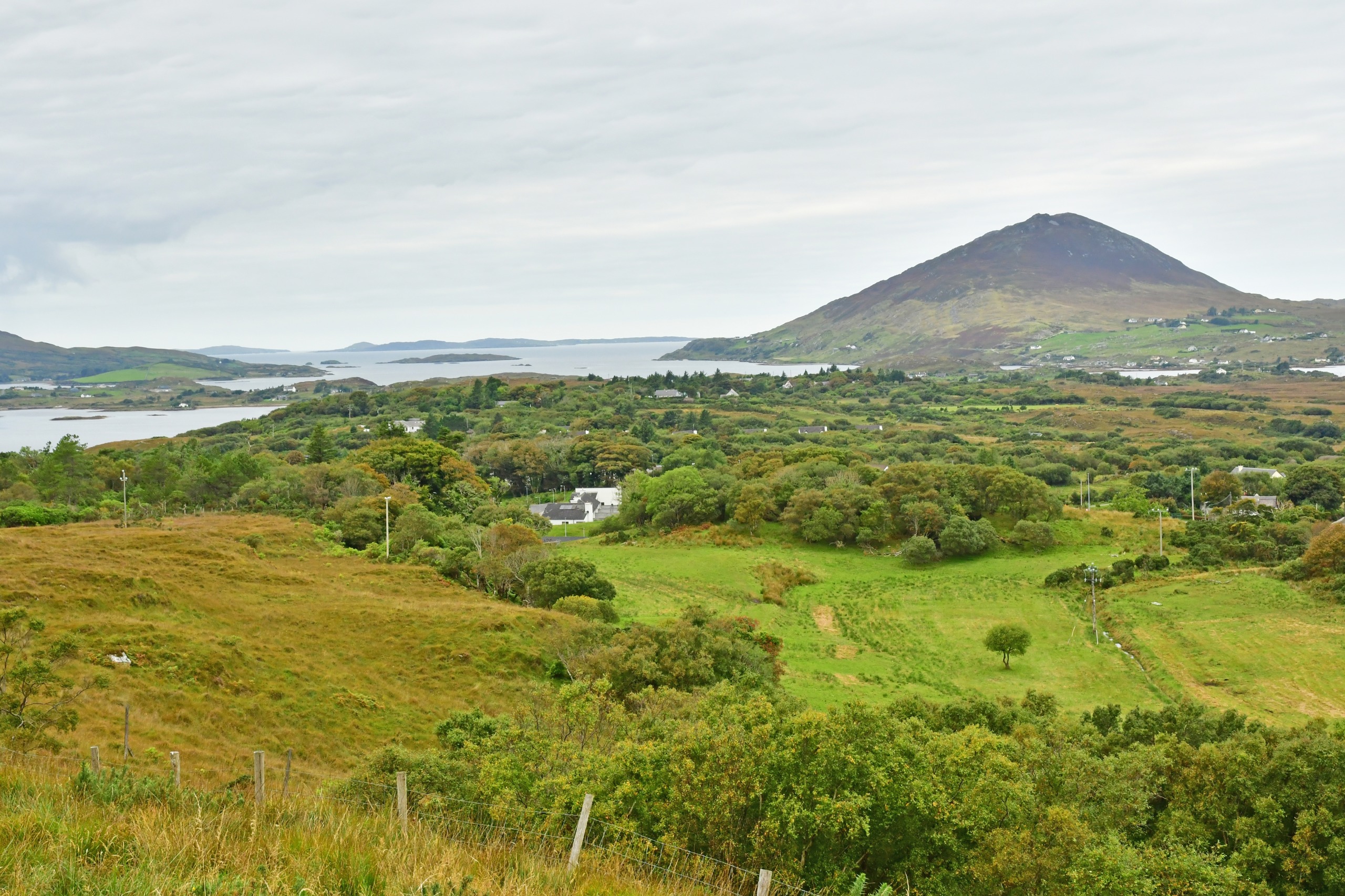
Coleraine
Set on the River Bann in Northern Ireland, Coleraine is the ideal base to explore the Causeway Coast, the Giant's Causeway and coastal villages like Portrush and Bushmills.
Coleraine is a market town in County Londonderry, Northern Ireland, established on the banks of the River Bann. A historic crossroads between the Glens of Antrim and the Causeway Coast, it serves as a convenient base for exploring one of the most spectacular coastal regions of the British Isles. Its university, lively town centre and railway connections make it both a practical hub and a destination in its own right.
Essential information at a glance
- Access: railway station on the Belfast–Derry/Londonderry line, with direct connections to Portrush and Portstewart.
- Recommended duration: half a day for the town; allow 2-3 days to explore the Causeway Coast.
- Currency: British pounds sterling (GBP) — Coleraine is in Northern Ireland, not the Republic of Ireland.
What to see
The town centre retains a network of shopping streets around the Diamond, a typical Ulster plantation town square. The River Bann offers pleasant walks along its banks. Ulster University (Coleraine campus) brings student life to the town's cafés and bookshops. The weekly market remains a fixture of local life.
History and context
The site has been inhabited since the Neolithic period: excavations have uncovered some of Northern Ireland's oldest remains. The modern town emerged from the Plantation of Ulster in the early seventeenth century, when Scottish and English settlers established themselves here under royal charter. It takes its name from Coleraine — Cúil Rathain in Irish, meaning "corner of the ferns" — and developed as an active river port on the Bann.
Highlights of a visit
The River Bann and its banks
The Bann flows through the town from south to north before reaching the Atlantic at Portstewart. The landscaped banks offer peaceful walks, with views of old bridges and the red-brick buildings characteristic of local Victorian architecture.
The Diamond and historic town centre
The central square, surrounded by Georgian and Victorian facades, concentrates shops, pubs and the market. It is the social heart of the town, bustling on weekdays and weekends alike.
Gateway to the Causeway Coast
Coleraine is the natural starting point for the Causeway Coastal Route. The Giant's Causeway, a UNESCO World Heritage Site, lies some twenty kilometres to the west. Portrush and its beaches are just minutes away by train.
Photography tips
The low morning light on the River Bann creates beautiful water reflections. The old bridge and brick warehouses in the background offer a typical Ulster industrial setting. Avoid midday in summer: the light is harsh and shopping streets crowded.
Location and access
Coleraine is located in the north of Northern Ireland, approximately 80 km north-west of Belfast and some thirty kilometres east of Derry/Londonderry. The station is central and well served. By car, the town is accessible via the A26 from Belfast or the A2 along the coast. The Translink bus network complements railway links to coastal villages.
Nearby attractions
- Giant's Causeway — UNESCO site with distinctive hexagonal basalt columns, about twenty kilometres to the west.
- Portrush — lively seaside resort with beaches and world-renowned golf courses, accessible by train from Coleraine.
- Bushmills — village home to the world's oldest licensed whiskey distillery.
- Carrick-a-Rede Rope Bridge — a suspension bridge spanning the Atlantic on the Causeway Coast.
- Dunluce Castle — medieval ruins perched on a basalt cliff between Portrush and Bushmills.
Frequently asked questions
Coleraine is in Northern Ireland, therefore in the United Kingdom. The currency is British pounds sterling (GBP), not the euro. There is no border control with the Republic of Ireland, but currency exchange should be planned.
The train links Coleraine to Portrush in minutes. From Portrush, seasonal buses serve the Giant's Causeway. By car, allow approximately 25-30 minutes via the coast.
From May to September, days are long and coastal sites accessible in good conditions. July-August is peak season: book accommodation and visits in advance. Autumn offers fewer crowds and interesting light on the cliffs.
The train covers Portrush and Portstewart. For more remote sites like Carrick-a-Rede or Dunluce Castle, a car or tour bus is recommended, especially outside the season.
Half a day is sufficient to explore the town centre, walk along the Bann and visit the market. The town is mainly useful as a base for exploring the surrounding coast.
Want to discover this destination?
Our local advisors design your tailor-made trip.