Inishbofin Island
Inishbofin Island
Inishbofin, a Connemara island accessible by ferry from Cleggan, blends white sand beaches, Atlantic cliffs, medieval ruins and a 17th-century Cromwellian fort. Perfect for a day trip or a peaceful getaway.
Inishbofin is an Atlantic island off the coast of Connacht, roughly twelve kilometres offshore from Connemara, in County Galway. Accessible only by ferry from Cleggan, it is home to around 160 permanent residents, white sand beaches, ocean-battered cliffs and medieval ruins. The island attracts hikers, birdwatchers and travellers seeking an authentic Irish pace, far from mass tourism circuits.
Practical information at a glance
- Access: ferry from Cleggan harbour (Connemara) — the crossing takes approximately 30 minutes.
- Recommended duration: at least a full day; a one or two-night stay allows you to explore the island on foot.
- Season: ferries operate year-round, but frequency is reduced outside peak season (check with the local ferry company).
- Vehicles: cars are not transported on the regular ferry; the island is best explored on foot or by bike.
- Accommodation: a handful of guesthouses and one hotel on the island; advance booking is essential in summer.
What to see
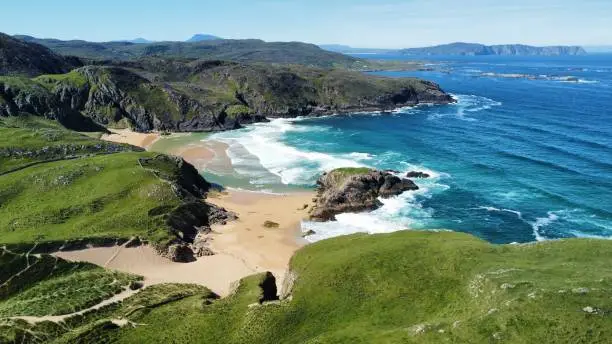
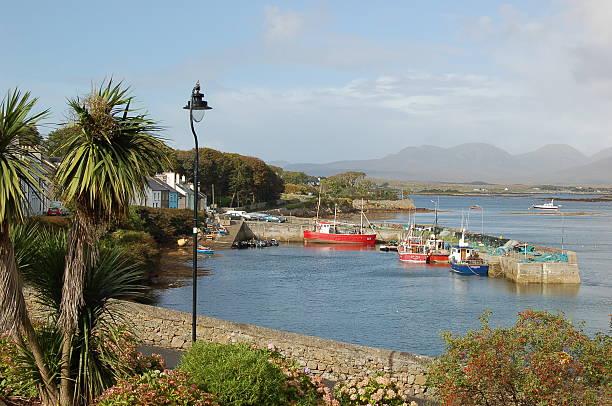
The island is roughly five kilometres long. The main harbour, Inishbofin Harbour, clusters the few shops and pubs. The beaches of Dumhach and East End Beach offer fine sand and clear waters, rarely crowded. The cliffs on the western side shelter colonies of seabirds — gannets, puffins, cormorants — most visible in spring and summer.
History and context
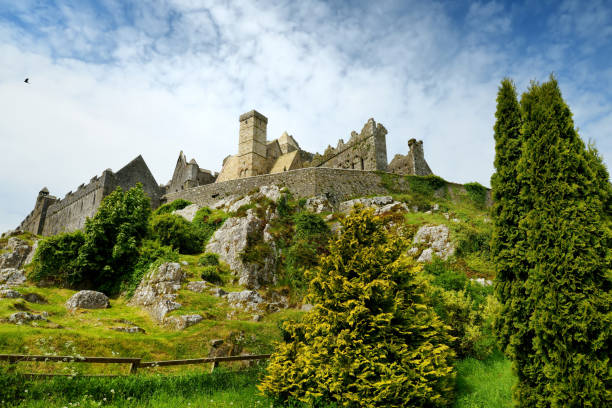
The Irish name Inis Bó Finne means "island of the white cow", a reference to Celtic legend. In the 7th century, Saint Colman of Iona founded a monastery here after leaving Lindisfarne during the Whitby controversy (664). The ruins visible today date in part to the Middle Ages. In the 17th century, the pirate and war leader Grace O'Malley (Gráinne Mhaol) used the island as a base; the Cromwellians later built a fort here to imprison Catholic priests.
Highlights of your visit
The Cromwellian fort
Built around 1656, this star-shaped fort overlooks the harbour entrance. It served as a prison for Catholic priests and bishops. The walls are well preserved and freely accessible. The view across the harbour from the ramparts is unobstructed.
The ruins of Saint Colman's monastery
Located on the eastern side of the island, these medieval ruins reflect Inishbofin's role in the spread of Celtic Christianity. The atmosphere here is peaceful, with minimal signage — bring a map or ask at the harbour.
Coastal walk around the island
A coastal path allows you to walk partially or fully around the island. The western cliffs offer sweeping views of the Atlantic, and on clear days, the Aran Islands to the south. Plan several hours depending on your pace.
Birdwatching
Inishbofin is a recognised birdwatching site. Spring and early summer are the best times to observe puffins and terns. The island is also a stopover point for migratory birds in autumn.
Photography tips
Atlantic light is changeable and often dramatic, even in summer. Early morning at the harbour, before the ferry arrives, offers calm reflections on the water. The western cliffs photograph best in late afternoon with raking light. The fort ruins stand out dramatically against the sky when shot from below on the beach.
Location and access
Inishbofin lies approximately 12 km offshore from Cleggan, a village in Connemara. Cleggan is reachable by car from Clifden, the capital of Connemara, about twenty kilometres away. The ferry to Inishbofin departs from Cleggan quay; several crossings operate in high season. There is no regular public transport to Cleggan — a car or taxi from Clifden are the usual options.
Nearby attractions
- Clifden — the capital of Connemara, a natural departure point for reaching Cleggan and the ferry.
- Connemara — heathland, lakes and mountains stretching east from Cleggan.
- Aran Islands — another Atlantic archipelago in Connacht, accessible from Rossaveal or Doolin, with remarkable prehistoric forts.
- Kylemore Abbey — a 19th-century Benedictine abbey in the heart of Connemara, roughly an hour from Cleggan.
Frequently asked questions
From May to September, ferries are more frequent and the weather more favourable. Spring is ideal for seabirds; summer for beaches. The island is very quiet outside peak season, but some accommodation and services close.
Yes, a day is enough to see the main highlights — fort, beaches, ruins — if you take the first ferry in the morning. An overnight stay allows you to hike more leisurely and enjoy the island after day-trippers depart.
In July and August, booking is strongly recommended, especially for the return sailing in late afternoon. Outside peak season, places are usually available without advance booking, but check schedules as crossings are less frequent.
Bikes are generally accepted on the ferry for a small additional charge. It's an excellent way to explore the island, whose roads are lightly trafficked. Bike hire is also available on the island during season.
Yes, the island has a few pubs serving food and one or two restaurants, most active during the summer season. Dining options are limited outside summer — check ahead if visiting outside peak months.
The Cromwellian fort and monastic ruins are open-air sites with free access. No photography restrictions are noted. Simply respect any agricultural fencing and surrounding private property.
Want to discover this destination?
Our local advisors design your tailor-made trip.